“Could you send over a few ideas?” sounds like a small request. For an interior designer, it can mean reviewing photographs, interpreting a brief, exploring layouts and sourcing references before anyone has agreed to pay for the work.
A paid consultation can give that first stage a clear shape. The client buys help making an initial decision. You get a defined brief and a chance to assess whether a larger project makes sense. AI concepts can support the appointment, but the service needs to be valuable even when the right answer is to keep what the client already owns.
Separate the fit call from design advice
Use an initial conversation to establish the room, location, approximate budget, timing and type of support required. Explain your process and check whether you are the right person for the job. You do not need to solve the design during that call.
Then describe the paid appointment in concrete terms. For example: one room, a 75-minute review, two directional concepts prepared from supplied photographs, and a short written summary of priorities. The preparation and summary are part of the work, so include them when you calculate your fee.
Say what is excluded: a measured survey, technical drawings, a complete shopping list, procurement and construction advice. If the enquiry is mainly about structural changes or safety-critical work, identify the appropriate qualified professional rather than using an image to fill the gap.
Send this short brief before the appointment
The intake should collect enough information to prepare without becoming homework for a full design commission. Ask the client to answer these questions:
- Which room are we discussing, and what is not working about it?
- What would you like to decide during the consultation?
- Which furniture, finishes or fittings must stay?
- What budget and timing should the advice work within?
- Who uses the room, and are there practical needs we should consider?
- Can you supply current photographs, available dimensions and three references with a note about what you like?
Explain how you will use the photographs, including any AI processing, and obtain appropriate permission. Ask the client to remove personal information they do not need to share. Treat supplied dimensions as unverified until measured appropriately.
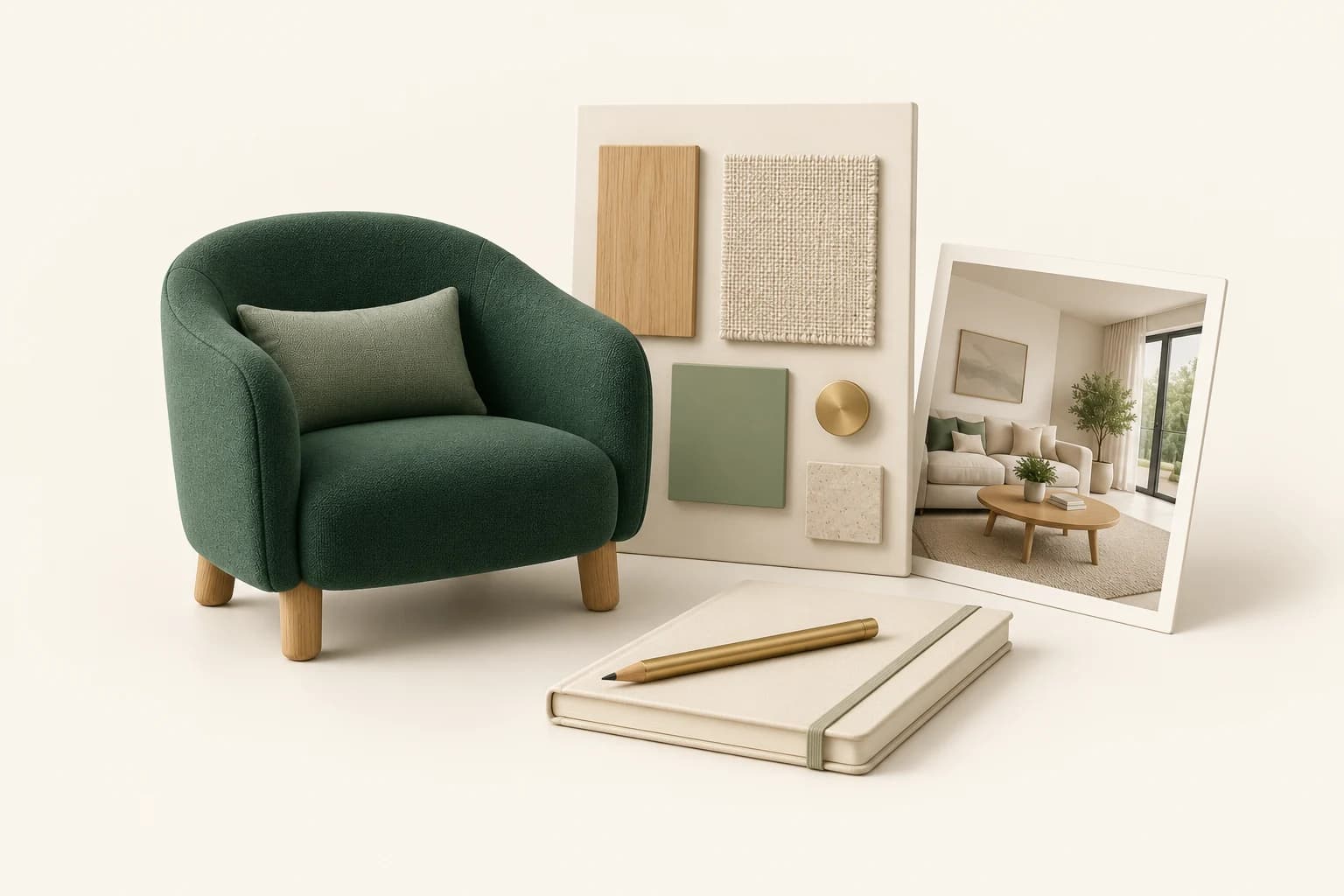
References become more useful when they have comments attached. Milanote supports interior moodboards with images, material references, links and notes. A shared board can keep “I like the wood tone, not the furniture” beside the relevant image.
Prepare two directions, not a complete scheme
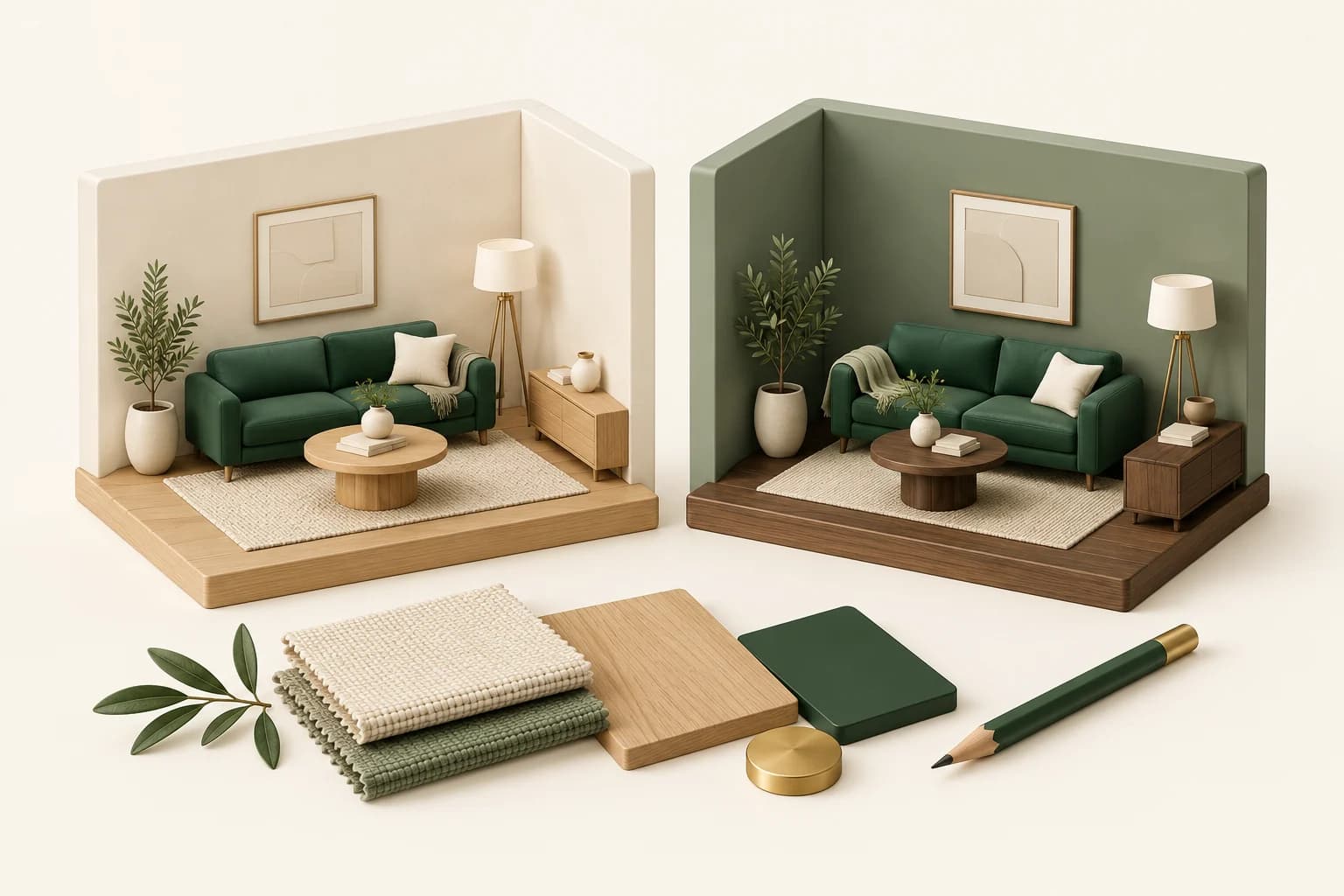
Use the client's room photograph in Propviz's Interior Design workflow. Choose a limited question to explore: a light versus dark material palette, for example, while retaining the layout and important existing pieces.
Give the image model the room constraints as well as the desired changes. Check both outputs against the source. If an option quietly removes a radiator or enlarges a window, correct or reject it before the appointment.
Do not present invented furniture as a sourced product. Label the images as concept studies and keep real product references separately. The purpose is to help the client articulate a preference, not imply that every object shown is available within the budget.
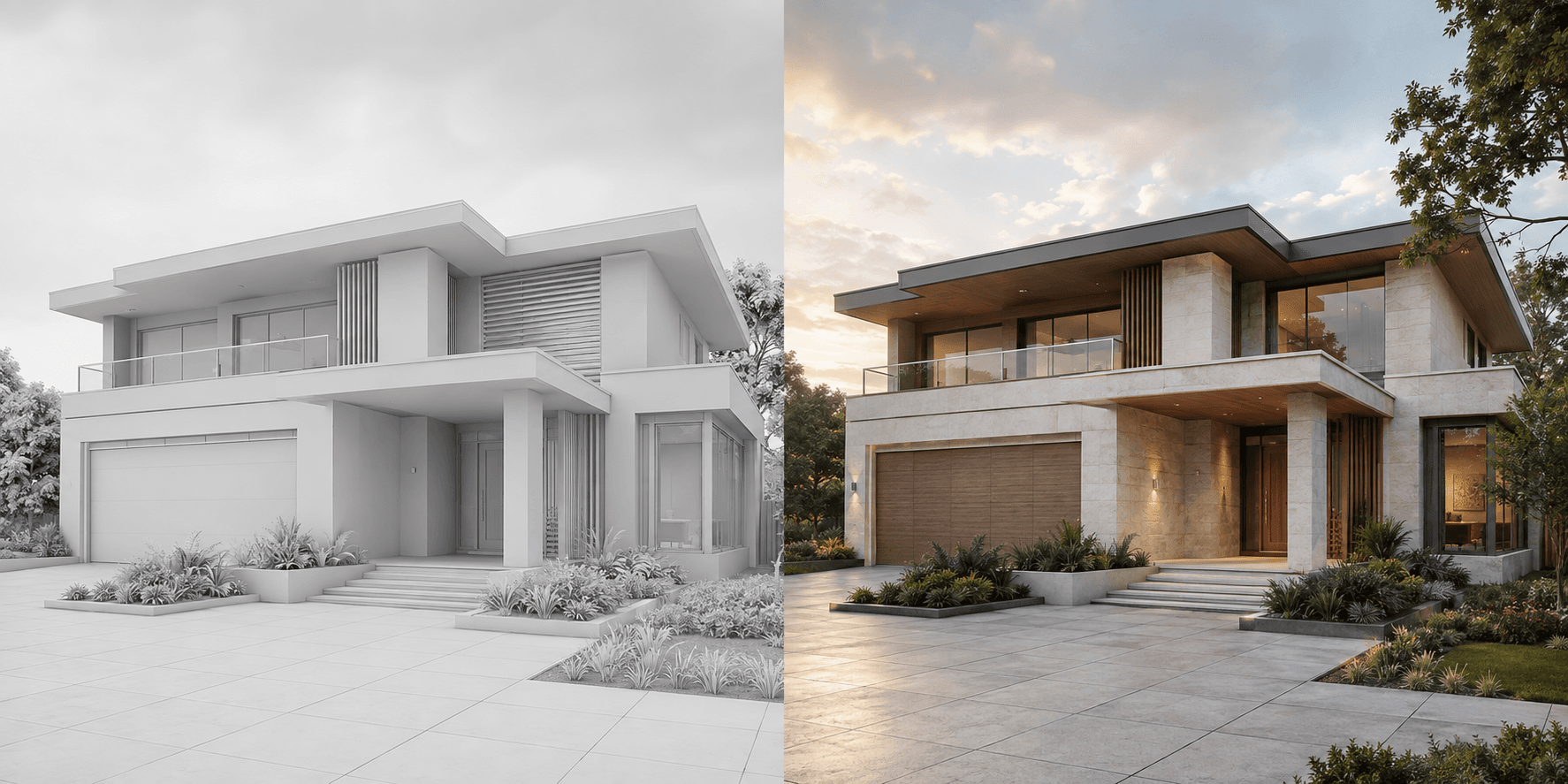
For this kind of paid advice, Interior Design is the appropriate Propviz workflow. Virtual Staging is for illustrating furniture within a property's existing condition for marketing. The distinction matters when the brief includes changing finishes.
Make the session about choices
Begin with the problem the client named in the brief. Show the original room before the concepts, then discuss the differences. A client may prefer the lighter option because it feels easier to maintain, or the darker option because it makes existing furniture feel intentional. Those reasons are more useful than a favourite image.
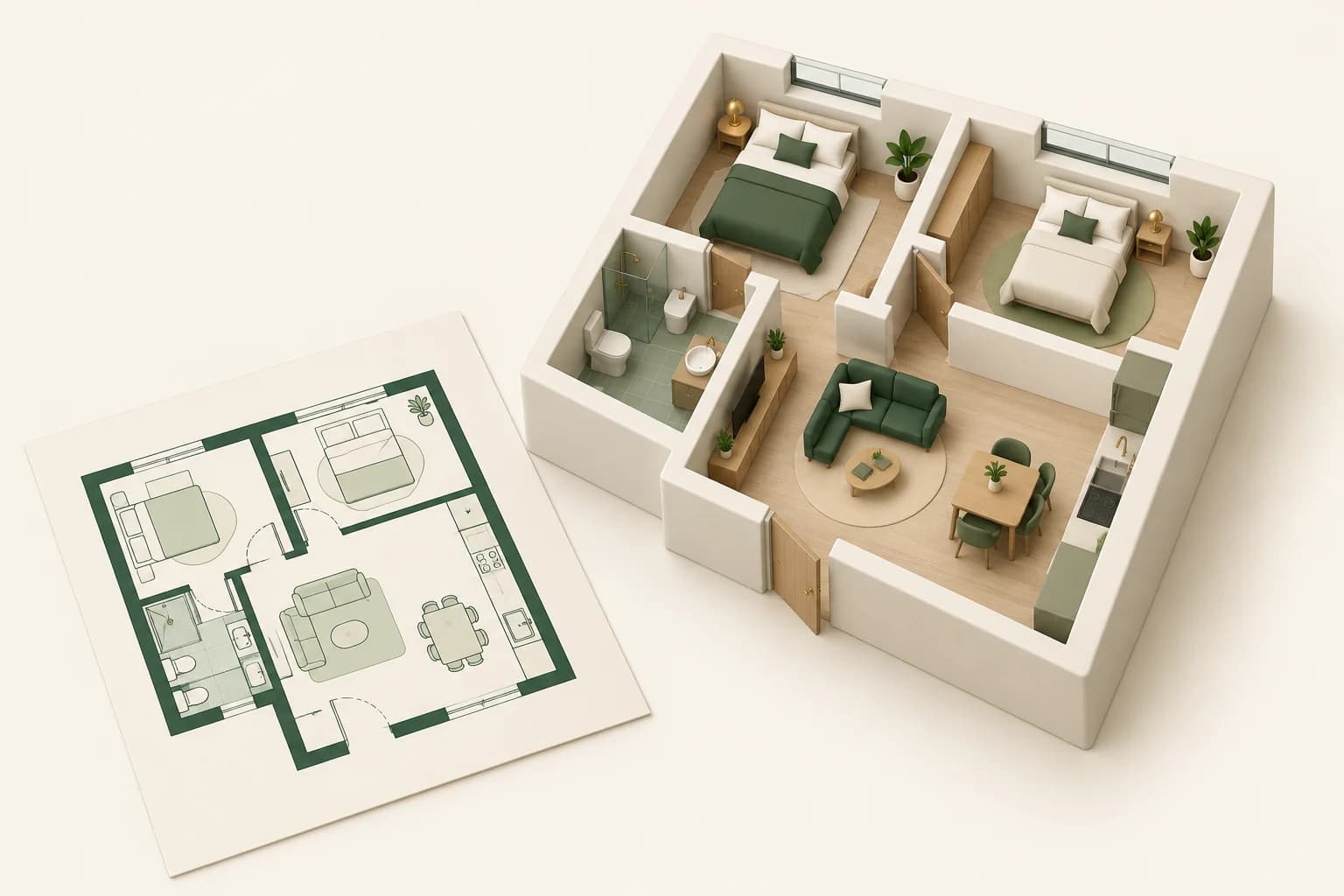
Keep a short decision record with three headings: agreed, needs checking and outside today's scope. If the conversation moves towards a new layout, note the measurements and clearance checks it requires. Do not treat a plausible render as proof that the furniture fits.
You can share selected Propviz images in a curated presentation. Send the written decisions alongside it so that the client does not have to infer the advice from the pictures alone.
Give the client a useful handoff
A concise consultation summary can follow this structure:
Priority: what to address first.
Direction: the agreed visual preferences and retained items.
Checks: measurements, samples or technical questions still unresolved.
Next actions: what the client can do, and what requires further design work.
Offer a separate proposal if the client wants you to take the next stage on. The consultation should still stand on its own if they decline. That makes the first purchase easier to understand and avoids turning a paid meeting into a disguised sales call.
Track preparation time, actual meeting length and follow-up requests. A consultation that repeatedly expands into sourcing needs a narrower promise or a different fee. AI can shorten part of the visual exploration; it does not remove the need to price your judgement and attention.